 A collection of resources on Open Dialogue and Open Dialogue practices
“Open Dialogue” is an innovative approach to acute psychiatric crises developed by Jaakko Seikkula, Marku Suttela, and the multidisciplinary team at Keropudas Hospital in Tornio, Finland. Starting in the eighties, there have been a variety of research studies of Open Dialogue and its outcomes with early psychosis. Garnering widespread international attention, the results consistently show that this approach reduces hospitalization, the use of medication, and recidivism when compared with treatment as usual. For example, in a five-year study, 80% of patients had returned to their jobs or studies or were looking for a job (Seikkula et al. 2006), In the same study, 77% did not have any residual symptoms. Such outcomes led the Finnish National Research and Development Center for Welfare and Health to award a prize recognizing the Keropudas group for “the ongoing development of psychiatric care over a period of ten years.” — From the description at the Institute for Dialogic Practice
The principles and values of Open Dialogue as practiced out of Keropudas hospital in Finland draw from multiple rich traditions, including but not limited to Milan family therapy, the work of Dr. Tom Andersen, the Need Adapted Treatment model, and the psychology of Mikhail Bakhtin. Many people in the US and internationally are now studying and rediscovering this tradition, in methods such as the treatment meeting dialogue, limiting use of psychiatric medications, working in teams, reflecting process, and seeing psychosis as taking place in the “in between spaces” between people. Research is being conducted, pilot projects are underway internationally to spread this approach, and a growing number of practitioners are receiving training to bring Open Dialogue learning into their own work.
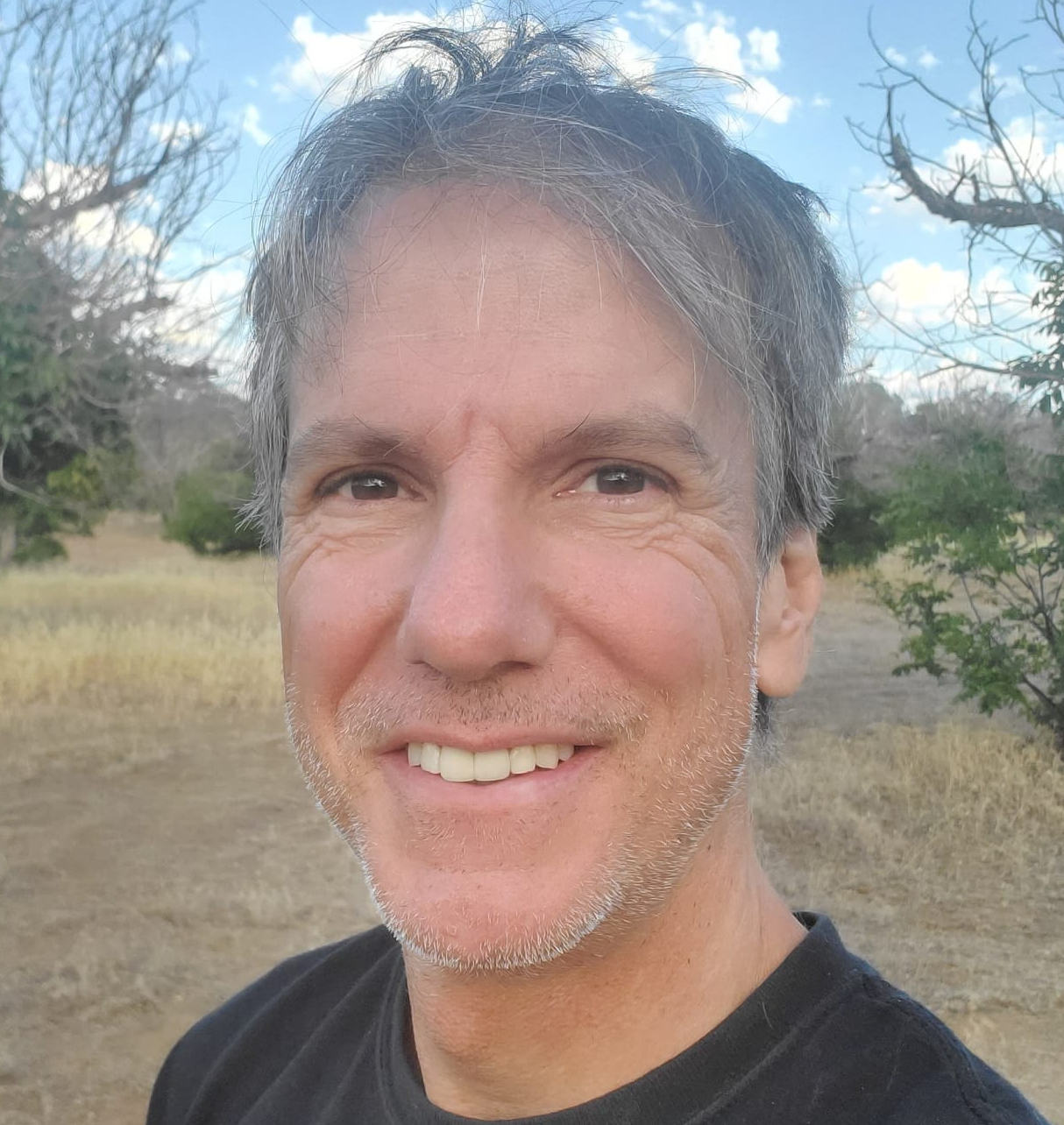
Interest in Open Dialogue has spread around the world, and now there are many expressions and interpretations that identify as Open Dialogue in a wide variety of clinical and training contexts. I am not a a Finnish clinician and am not part of the hospital team in Finland, but I have studied Open Dialogue with Dr. Jaakko Seikkula, Marku Suttela MA, Dr. Birgitta Alakare, Dr. Mary Olson, and others as part of my two year certificate in Open Dialogue. My training in Process Work, a Jungian therapy, also engages deeply with group and family dynamics from systems and communication perspectives, as Jung shares a dialogue based view of psychology and change.
I teach and practice “Learning From Open Dialogue” to advance inquiry into the Finnish approach and its rich origins and to discover how we can reshape the social response to psychosis and emotional crisis. My work with Open Dialogue includes adaption to my therapy practice where I work often with families and crisis, as well as using dialogue principles in my community development work, training, and research. I am grateful to Dr. Olson and our colleagues in Finland for their invitation to learn from and collaborate in the development of this work and for their support of my teaching offerings related to this learning. – Will Hall
—>>> Organizations Developing Open Dialogue:
Network of Dialogical Practices, Europe’s Open Dialogue network founded by Jaakko Seikkula and colleagues (Facebook)
The International Network for the Treatment of Psychoses, founded by Tom Andersen
Mental Health Trialogue Network, Ireland
Peer Open Dialogue at the NHS in the UK
Developing Open Dialogue website
—>>> What Is Open Dialogue?
Re-humanising Mental Health Systems: A Discussion with Jaakko Seikkula on the Open Dialogue Approach
Open Dialogue — Alternative Care for Psychosis In Finland |Will Hall (2013)
Finnish Open Dialogue: High recovery rates leave many psychiatric beds empty | Daniel Mackler
The Open Dialogue Approach to Psychosis: Its poetics and micropolitics
Open Dialogue An alternative Finnish Approach to Healing Psychosis: Documentary by Daniel Mackler
Video: Open Dialogue: a documentary on a Finnish alternative approach to healing psychosis
The Key Elements of Dialogic Practice in Open Dialogue: Fidelity Criteria
Audio: Madness Radio interview with Mary Olson on Open Dialogue
Outside Mental Health book excerpt: Mary Olson on Open Dialogue
Olson: Family and Network Therapy for a System of Care: “A Pedagogy of Hope”
—>>> Origins of Open Dialogue
Need-Adapted Treatment of Schizophrenia: Family Interventions | Klaus Lehtinen
Need Adapted Treatment of New Schizophrenic Patients: Experiences and Results of the Turku Project
Eva Kjellberg Child-And Adolescent Psychiatry in Northern Sweden
Mikhail Bakhtin: Creation of a Prosaics, by G. Morson & C. Emerson
Family Therapy: An Intimate History, by Lynn Hoffman
Schizophrenia: Its Origins and Need-Adapted Treatment
Steam of Life film – Finnish men and saunas
Reflecting Teams, introduction to Tom Andersen’s book, by Lynn Hoffman
The Reflecting Team: Dialogue and Meta-Dialogue in Clinical Work by Tom Andersen
Lynn Hoffman essay Beyond Power and Control
Healing Homes Recovery from Psychosis Without Medication: Documentary by Daniel Mackler
Michael Rymer’s film Face To Face on mediation resonates with Open Dialogue
The Story of the Weeping Camel must-see film about nomads evokes Open Dialogue
—>>> Research on Open Dialogue
Inner and outer voices in the present moment of family and network therapy
Open Dialogue: A Review of the Evidence
Open Dialogue: The Evidence and Further Research
Open Dialogue as a Human Rights-Aligned Approach
The Finnish open dialogue approach to crisis intervention in psychosis: A review
—>>> Adaptation of Open Dialogue in New Contexts
The History of the Open Dialogue Approach in the United States
Open dialogues in the present and the future – new developments
Open Dialogue Shut Down In Ireland Despite Success
Finland in Boston? Applying Open Dialogue ideals on a psychotic disorders inpatient teaching unit
“It Makes us Realize that We Have Been Heard”: Experiences with Open Dialogue in Vermont
Open dialogue in the UK: qualitative study
An introduction to peer-supported open dialogue in mental healthcare
Peer support and shared decision making in Open Dialogue: Opportunities and recommendations
Adapting and Implementing Open Dialogue in the Scandinavian Countries: A Scoping Review
Parachute Project New York City
Dialogue as a Response to the Psychiatrization of Society? Potentials of the Open Dialogue Approach