I offer counseling and coaching internationally via phone and web video/Zoom, as well as office and home visits in the San Francisco Bay Area, and I work with individuals, couples, family members, and groups.
My practice is based in my MA and Diploma in Jungian Process Work, certificate training in Open Dialogue, and more than 13 years experience as a mental health advocate. My own healing inspired me to see each person’s pathway as unique, and to use a pragmatic awareness of the present moment to discover what works.
My Approach
I collaborate with people to study how their present situation is constantly changing and inherently creative, and I help them discover and learn without imposing a program or interpretation. I believe we are natural beings and all have the capacity for growth when we listen to and cultivate ourselves. I look beyond disease and deficit models and believe that even in the most difficult distress, the human mind and spirit already know the right way forward — though the path may be for a time obscured or hidden. I help you learn from who you are, not pathologize you as sick: I do not treat people as disorders.
I listen to people’s stories about themselves — and focus on how the story is expressed, to notice aspects usually overlooked and bring new energies to bear. The way we think and the language we use shapes our reality by limiting our view. My style is dynamic, and I actively involve myself in the work: quiet listening and empathic support are key, and also questioning, experimenting and challenging. I do not program how a session will go but instead use my awareness to follow what emerges. Work with clients may include dialogue, role play, meditation, dreamwork, conflict resolution, coaching, movement, and drawing, as we explore the growing edges of change. I have a holistic view and bring in physical health and nutrition as additional options to support clients. You can read what clients and students have said about my work here.
Psychosis, Emotional Crisis, and Mental Diversity
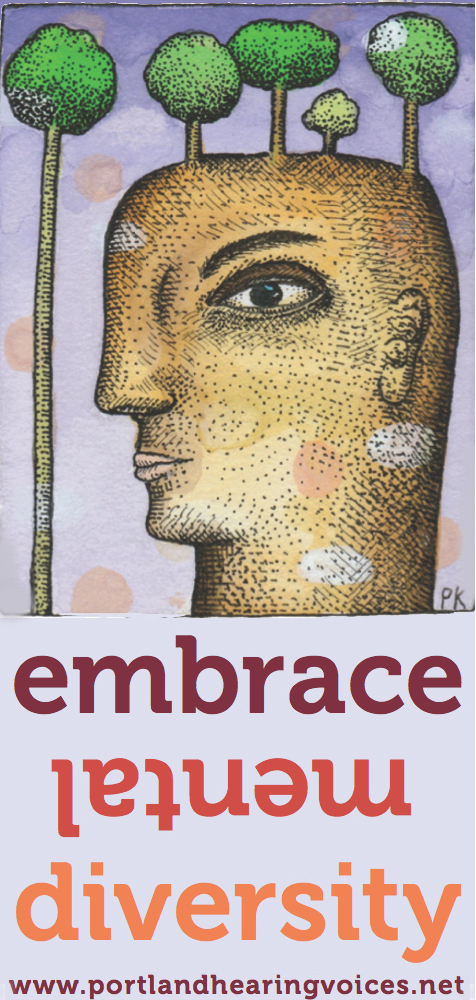
I have extensive experience working with “madness” and experiences labeled as psychosis, including bipolar and schizophrenia. I help people in crisis and those close to them understand powerful emotions — voices, paranoia, isolation, manic states, and mental extremes — not as symptoms of incurable broken brains, but as potentially creative and meaningful parts of ourselves that make sense when seen in context. I do not diagnose people as disorders, offer medical advice, or provide psychological treatment. Instead, I believe in mental diversity: each of us is different, and in a complex human world we are all on a continuum where there is no real standard of “normal.” Emotional crisis may be difficult and chaotic, but it is always there for a reason and it carries messages that need to be listened to.
Madness is a natural adaptive response to the context and circumstances where people find themselves: what gets called “psychosis” is not a disease or problem within the individual, but a mysterious break in social relations and a desperate search for a way forward. Even when holistic health can offer support and healing physical wellness plays a role in recovery, the inner meaning of suffering remains. Psychosis usually reflects conflict that needs to be addressed: conflict within families, in society, and inside each of us. This breakdown, if responded to with optimism and support, can lead to new life options and become a positive and restorative breakthrough. While I am not against medical treatment or medications, and I support the usefulness of prescription drugs to suppress difficult experiences, medications, diagnostic labels, and hospitalization also carry a great risk of making things worse. My work for alternative approaches to psychosis has been widely recognized in the US and internationally, including Newsweek magazine and the New York Times, and I have spoken and taught on mental health system reform internationally.
Learning from Open Dialogue
I have trained at the Institute for Dialogic Practice with Jaakko Seikkula, Mary Olson, and colleagues in Open Dialogue, an innovative Finnish hospital treatment system that sees human distress not as a problem within the individual but instead as an impasse in social relationships. Learning from the Open Dialogue work in Finland encourages me to bring a person facing challenges together with other actors in their social field to collaborate creatively for solutions and new understandings. Dialogue based approaches touch the deeper fabric of what it means to be human, as we are closely connected to each other, and the threads of any part of us draw on our ties to those around us.
Open Dialogue in Finland uses a team and reflecting approach that brings together several people into a session. Co-facilitators create multiple voices and can add new dynamism and fresh perspectives, creating a special kind of listening that allows new feelings and creative ideas to come forward. You can learn more about Open Dialogue here.
Jungian Psychology
My interest in Process Work, a school of Jungian psychology, began in 1996, and since then I have been deeply interested in this gestalt, systems- and body-focused method of individual and group facilitation.
Jung emphasized the evolutionary nature of the psyche as an organized system constantly growing, learning, and adapting to change. Rather than an individual object cut off from nature that gets broken like a machine, Jungian psychology approaches the mind as a collective ensemble of parts coextensive with the ecological surround and interacting together to generate the psyche. Like the ocean combines with the moon, tides, and weather to create individual waves, each part has its role and we cannot separate any without understanding the others. Though sometimes our experiences seem separate and we do need apparent boundaries to function, in reality there is only one organism at work on planet earth, one consciousness and one evolutionary growth process, appearing in different vastly complex expressions.
Just as in nature everything has its place and is constantly shaped by ongoing interaction, at the heart of all human growth a process where all parts are needed, even where they appear in conflict or as the shadow of how we usually think of ourselves. Process Work uses this ensemble view of the psyche to listen to all the different parts present, and create a mosaic where there appears to only be one side. Our parts reflect larger social fields and systems, where we play roles and manifest deeper patterns from our dreams and life myths; we are always touched by and spoken to from our ancestors, from our collective histories, and from our social groups.
Process Work is a present moment, mindfulness-based and somatic method. Work with body experience is intertwined with verbal conversation. This combination of deep listening and attention to the body makes Process Work a powerful way to directly access energy for change.
Medication Education and Coming Off Medications
Since 2001 I have supported people around the world to become better informed around the complicated issues of psychiatric medication. Our society has left too many decisions in the hands of medical doctors alone, and while I am not a prescriber and do not offer medical advice, I help educate individuals to make wiser and more confident decisions about their treatment options. I am attentive both to the side effects of psychoactive substances, and to the meanings, fears, and hopes that are involved. While not anti-medication, I have a harm reduction perspective and take a very cautious approach to the risks of pharmacology. I often work with people to reduce and come off medications.
I believe, and my PhD student assessment of the available research indicates, that most people are best served by a personal and individualized medication approach to discontinuation, an approach that is flexible and adaptive based on listening to the circumstances of a person’s life, and following their informed choice in an uncertain and unpredictable situation. A clinician’s lead or an algorithm is often what created the problem in the first place. I am cautious about applying the word “tapering” to all discontinuation, because it does not reflect needed dosage flexibility during the process : a phrase like “down titration” may better express that, as the situation calls for, a person may need to slow down, pause, reverse, or even speed up dosage changes (remember Zeno’s paradox). “Harm reduction” in my mind best embraces this diversity – tapering, titrating, switching meds, increasing dosage, route of administration, dosage timing, intermittent use, or stopping a med. When the intention is to reduce and discontinue meds, many pathways are possible, as survivor testimony and research demonstrate: the key is always informed consent about what treatment a person chooses.
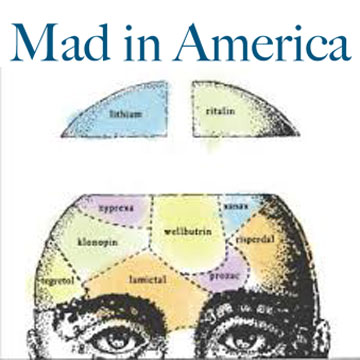
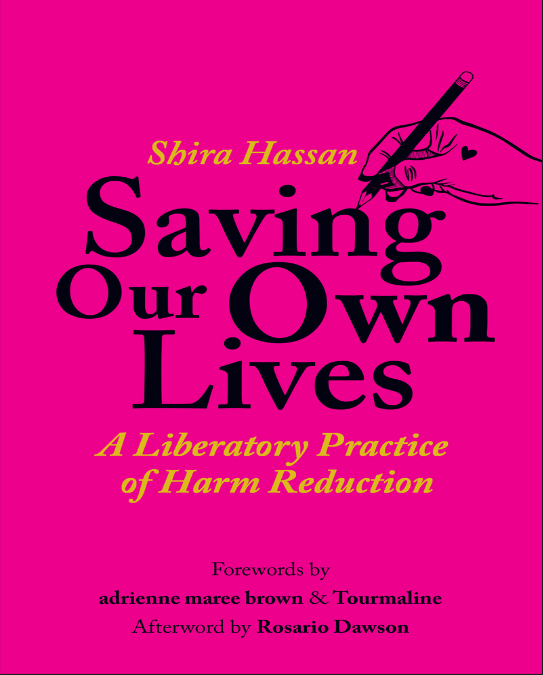
You can learn more about my method in my Harm Reduction Guide to Coming Off Psychiatric Drugs. in my academic essay “Psychiatric Medication Withdrawal: Survivor Perspectives and Clinical Practice” in the Journal of Humanistic Psychology, my co-authorted medical essay “Antipsychotics ‘As Needed”: An Understudied but Widespread Self-Managed Medication Use Pattern” in Psychiatric Services journal, and in my co-authored advocacy essay in Mad In America: Psychiatric Drug Withdrawal: Harm Reduction Not Judgement.
Family Recovery
When an individual goes through extreme emotional distress the entire family is involved. Parents and siblings, friends and partners feel both powerless and an urgent need to help. I have worked with family members seeking ways forward beyond traditional diagnosis and institutionalization: I approach families as unique shared social fields with deep mythic histories and powerful potential for growth.
Often by engaging one aspect of the field other aspects can transform: the “identified patient” may only reflect the larger context. Social oppression, trauma, and historical forces also play a powerful role, as families seek new ways of understanding themselves beyond accepted norms. In addition to Process Work, I have studied the Open Dialogue and Dialogic Practice approaches with Dr. Jaakko Seikkula and Dr. Mary Olson at the Mill River Institute. I am also inspired by how we are re-inventing family life, as we all learn to define intentional family for ourselves and nurture more authentic social connections and greater personal freedom.
In order to access the greatest potential for change, my work with families draws on the Open Dialogue approach and can include co-therapist, where therapists share our experiences with the family in a broader dialogue. This “reflective process” is a powerful way to deepen the family’s awareness of its own resources and ability to grow, while making the role of professionals more transparent and part of a collaborative and mutual process.
Psychedelic Integration, Cannabis, and Visionary Substances
It is crucial to approach difficult psychedelic and cannabis experiences without just fearing them: either-or thinking blocks deeper understanding of the complicated role altered states of any kind play in our lives. While many people do need to step away from substances (and learn how to access personal growth without them); others find substances such as cannabis or psychedelics can be helpful when used cautiously. Even with supervised use, visionary substances are unpredictable and can be overwhelming or initiate a crisis, and sometimes when people are diagnosed as bipolar, schizophrenic, or psychotic there is complex past use of psychedelic drugs or cannabis. Crisis is usually entwined with other stressful life circumstances, making it hard to reach a clear understanding of whether substances can be beneficial. Though some people are using cannabis as an alternative to psychiatric medications, and some people do find psychedelics a pathway to spiritual learning and trauma healing, I caution against the exaggerated pharma-style hype surrounding new treatment approaches.Drug trips reflect broader growth processes always already underway: despite their hype as magic pills, drugs are not growth agents in themselves: when seen as such serious problems can emerge from fragmentation, denial, and unexamined motivations. Effective guidance works with the individual and their unique life path, rather than seeing the solution in a pill or substance itself.
I have worked with many people to resolve difficult drug experiences and reach a sustainable relationship with substances, including integration after challenging psychedelic trips, guidance on how to respond to crisis, and learning how to use – or not use – cannabis and psychedelics as a wellness tool. I am not “pro” or “anti” visionary drugs; I follow a harm reduction perspective to help each person find their own relationship to substance use, and have spoken out against the dangers of visionary substances in the context of power abuse by therapists and guides. My own use of these substances has shown me that responsible guidance and a harm reduction approach are vital; guidance and integration should be available to anyone, even when they have struggled with what gets called “psychotic” experiences. I focus where drugs experiences fit into psyche and self as a whole, and do not endorse the psychedelic industry of “integration” as centered on the drug experience. I am pro- freedom of access to substances while I am against commercialization and medicalization.
Social Oppression, Rank, and Abuse
People come to therapy for many reasons, but share the common experience of powerlessness. What is power? Power exists in institutional contexts, in our relationships, and in our own psychological resources as an experience of control and freedom in the present moment. We feel unfree in the face of our lives and emotions, and so we seek help for change. All emotional struggles are intimately bound with power, social oppression, and rank, and when therapists ignore the power relations surrounding us, they can end up reinforcing the assumptions of the status quo and blocking change.
I help clients reclaim power they may not be aware of, use their power more wisely in the world, and overcome their experiences of low status and powerlessness. I have worked extensively with individuals facing social and political marginalization, including abuse survivors, people diagnosed with severe mental illness, queer and transgendered people, homeless, people of color, and people struggling with poverty and addiction. I also support individuals with social and institutional privilege to understand, claim and use their power wisely, and discover the inner experiences of powerlessness often hidden underneath all privilege.
Relationships, Communication, Conflict, and Intimacy
When we become close to other people we see new sides of ourselves reflected in the other. Companionship and sexuality entangle us in dynamics that reveal power differences, communication styles, high dreams, trauma histories, and life myth. Intimate relationships awaken creative potential and reveal unexpressed emotional truth – and can also be a source of great suffering. When held with awareness and explored more deeply, intimate partnership is a powerful vehicle for growth and learning.
I work with couples and people in close relationship to find purpose and meaning in their misunderstandings and conflicts, and discover hidden potentials in why they have come together. In sessions I might hold down a single statement to take it deeper, bring in unnoticed body signals and movements, help each side switch roles with the other, and encourage much deeper listening and response to what is said. I am especially interested in how hidden dynamics of wounding influence our ability to truly connect with each other, and I bring in my awareness of social inequality to understand the complexities of personal relationships.
Community Development
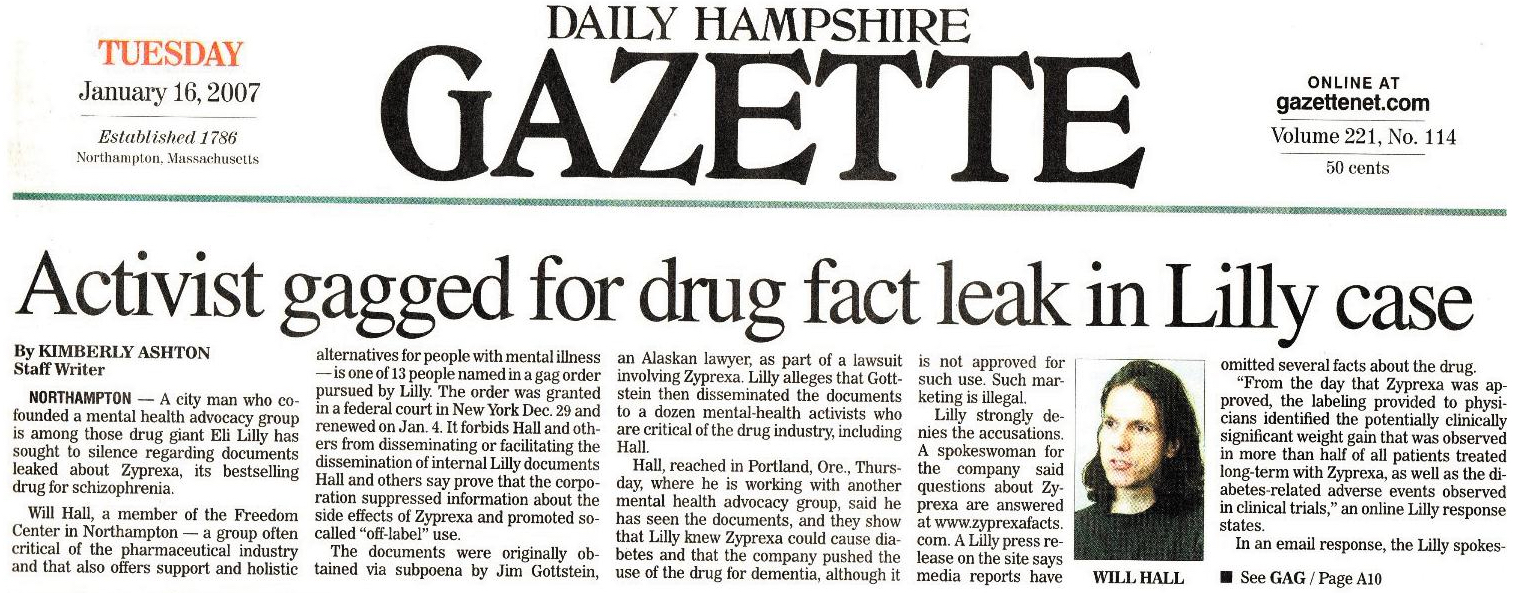
Growth and change do not take place primarily in the individual. Groups and the community are the heart and soul of who we are and how we heal. For more than fifteen years I have been a community development worker creating forums for collective learning and social change around emotional distress. My emphasis is on nurturing mutual support and caring communities that have the capacity to respond to challenges and take care of each other in more humane and sustainable ways. In Portland I am founder of Portland Hearing Voices, which offers support groups, educational events, and training; was on the Board of the Mental Health Association of Portland working to improve professional and city responses to people in crisis; worked with a number of community organizations including The Icarus Project and Freedom Center’ am part of the international Hearing Voices Movement; and I am host of the syndicated FM interview show Madness Radio. I frequently travel to communities around the US and internationally as part of my work for collective change. I join efforts with the broader Mad Movement in calling for the abolition of force in institutional psychiatry, and am part of broader social movements to replace our dysfunctional economic system and end materialism, inequality, and political domination.
About Payment
I charge going rates for private consulting and coaching sessions. Because my work does not include diagnosis or mainstream psychological treatment, I am not enrolled on insurance plans, though sometimes people I work with have been able to get their insurance to reimburse. I often have sliding scale openings to accommodate people who are unable to pay due to economic limitations, and I do my best to remain flexible with payment. I also work to make groups, classes, and community events widely accessible.
I Work from Outside the Mental Health System
The work I offer is very different from licensed psychology and counseling. I don’t do mental health treatment. I decided that to best serve the people I work with, and stay aligned with my values, I would focus my training and practice in innovations instead and work outside the mental health system. I do not practice western psychology, psychotherapy, or psychiatry; I don’t give diagnosis, psychological counseling or treatment. I am not a medical doctor, and I don’t carry a license as a western psychotherapist. While I have studied many different approaches, have a Masters Degree in counseling, and am a PhD candidate, I am a counselor, coach, consultant, therapist and facilitator, not a behavioral health professional, psychiatrist, doctor, or psychotherapist.